


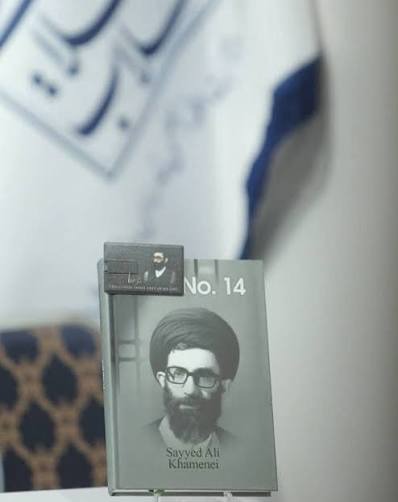
Cell No. 14 by Ali Khamenei
Original price was: ₨1,200.00.₨850.00Current price is: ₨850.00.
Description
Cell No. 14 is the English edition of the autobiographical memoir written by Sayyid Ali Khamenei (the Supreme Leader of Iran). Originally authored in Arabic under the title Inna Ma’al ‘Usri Yusra (“Indeed, with hardship comes ease”) and translated into Persian as Khun-e Dili Ki La’l Shud, the book details the first half of his life leading up to the 1979 Iranian Revolution.
Detailed Description & Core Themes
1. Early Life and Education
The book begins with his childhood and early upbringing in Mashhad, Iran. It describes a life marked by severe material hardship, high spiritual devotion, and deep academic immersion in Islamic theology. It touches upon his family dynamic, his education under prominent Shia scholars, and the formative experiences that shaped his political and religious worldview.
2. The Title “Cell No. 14”
The book gets its name from his time in prison under the Pahlavi monarchy (Shah Mohammad Reza Pahlavi). Cell No. 14 refers to the specific solitary confinement cell in the joint anti-sabotage committee prison in Tehran, where Khamenei was held and interrogated by the SAVAK (the Shah’s secret police force) during one of his multiple detentions.
3. Political Activism & Resistance
The central portion of the narrative focuses on the underground opposition movement against the Shah. It chronicles:
-
Preaching and Mobilization: Using Friday sermons, secret study circles, and religious lectures to rally young Iranians and intellectuals.
-
Connection with Ayatollah Khomeini: His relationship with Ruhollah Khomeini and his role in distributing revolutionary literature and messages across key cities like Mashhad and Qom.
-
Arrests and Interrogations: The six separate imprisonments and interrogations he endured between the 1960s and late 1970s.
4. Internal Exile and Survival
Beyond solitary confinement, the memoir describes his period of internal exile to remote parts of Iran, such as Iranshahr in the Sistan and Baluchestan province. The narrative details how he built networks among local Sunni and Shia communities during exile to maintain momentum for the anti-Shah movement.
5. Culmination: The 1979 Revolution
The memoir concludes around the onset and success of the 1979 Islamic Revolution. It captures the collapse of the monarchy, the return of Khomeini, and the initial chaotic days of forming a new government structure before he took on major state leadership roles.
Key Takeaways from the Book
-
Tone and Style: Unlike a standard political history, the book is written with personal reflection, incorporating Arabic and Persian poetry, religious commentary, and intimate anecdotes about his interactions with family and fellow political prisoners.
-
Historical Value: Provides a first-person perspective on the organization, ideology, and internal logistics of the religious factions that drove the Iranian Revolution.
-
Illustrations: The publication includes archival photographs, sketches, and illustrations depicting different stages of his life, jail conditions, and political rallies.


Reviews
There are no reviews yet.